
Why California Insurers Cancel Policies — and the Inspections That Keep Your Coverage
The California home-insurance crisis in plain terms: why carriers non-renew, what they now want verified, and the inspections that protect your policy.
By Louis O'Connor, Certified Master Inspector
California's insurance squeeze, in plain terms
If your carrier has raised your rate, demanded an inspection, or non-renewed you outright, you're not alone. After years of catastrophic wildfire losses, major insurers have stopped writing new California homeowners policies and have non-renewed tens of thousands of existing ones. The state's FAIR Plan — the insurer of last resort — has absorbed the overflow, growing sharply.
The carriers still writing coverage have responded by becoming far more selective. Where a policy once renewed automatically, insurers now want proof that a home isn't an outsized risk — and they're using inspections to get it.
What insurers now want verified
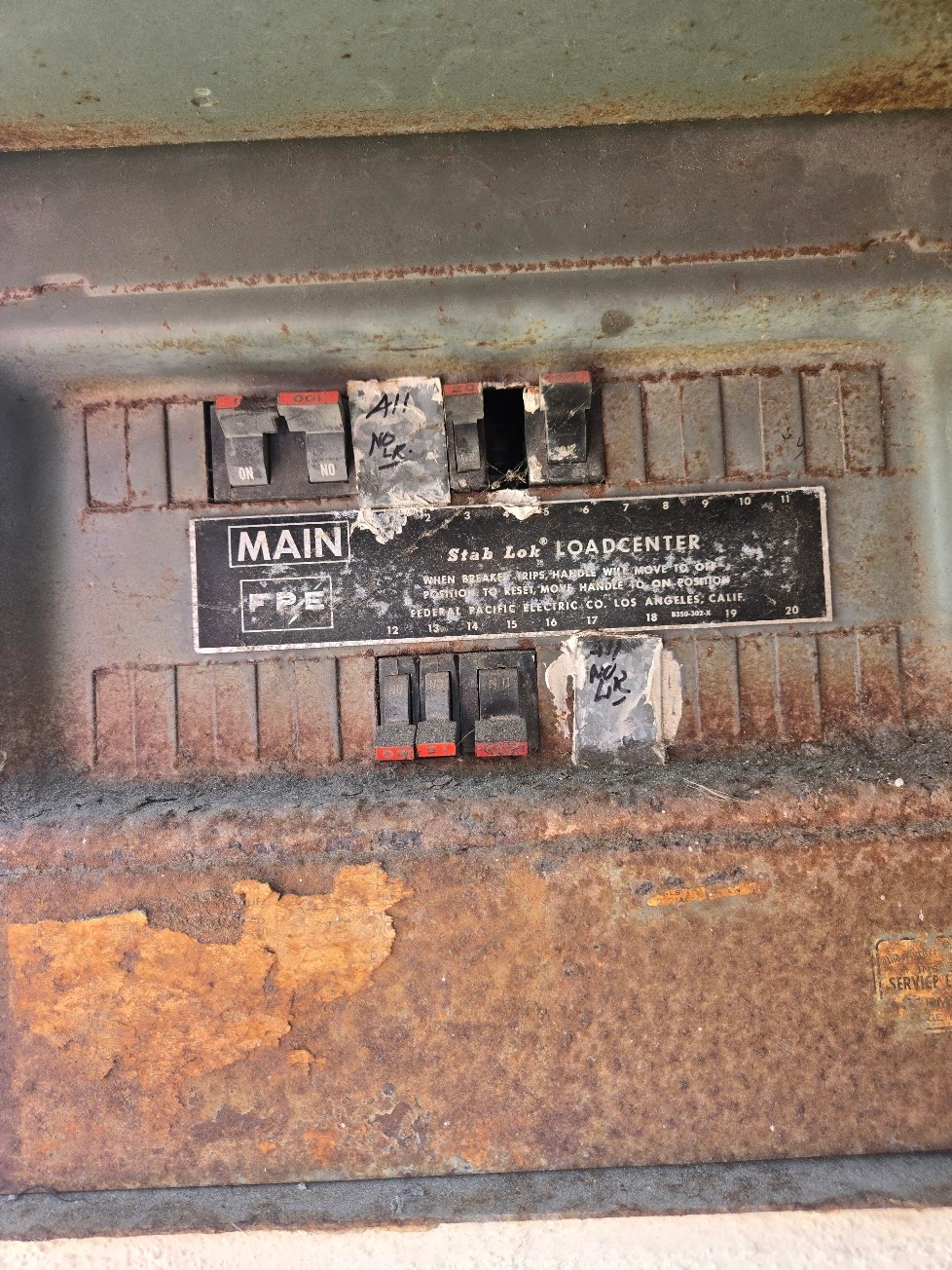
Underwriting tends to flag older homes — commonly 20 to 30+ years — and any home with an aging roof or an older electrical panel. When that happens, the carrier asks for verification of specific things:
The roof and the four major systems
Roof age and condition are scrutinized heavily; so are the electrical, plumbing and HVAC systems. The standard tool is the 4-point inspection — a focused report on exactly those four systems, built for underwriting. (For the deep dive on what gets checked, the red-flag findings, and what it costs in California, see our California 4-Point Inspection guide.)
The electrical panel
Hazard-flagged panels are a top cancellation trigger. Carriers routinely refuse to cover homes with Federal Pacific Stab-Lok or Zinsco panels, because their breakers can fail to trip. An electrical panel verification documents what's installed.
Wildfire mitigation
In California, insurers increasingly tie coverage and discounts to defensible space and home hardening — the measures in the state's "Safer from Wildfires" framework. Documenting that work can be the difference in a renewal. Read our full guide to wildfire home hardening and the coming Zone 0 rules →
The four inspections that protect your coverage
Each of these is documentation an insurer may ask for — and all four are part of our Insurance Inspections service:
Got a letter from your insurer? Here's what to do
- 1Don't ignore it. Inspection and non-renewal letters carry deadlines — missing one can mean losing coverage.
- 2Read exactly what they want. A 4-point? A roof report? Panel verification? The letter usually names it.
- 3Book the inspection promptly — or send us the letter and we'll tell you what's needed.
- 4Submit the report before the deadline, on the carrier's form whenever they provide one.
- 5Keep documentation of any repairs or upgrades — receipts and permits strengthen your position.
Frequently Asked Questions
California insurance inspections, answered.
Why is my insurance company non-renewing or cancelling my policy?
What inspections do California insurers require?
Can a home inspector perform an insurance inspection?
What is a 4-point inspection?
I got a letter demanding an inspection — what should I do?
This article is general information, not insurance or legal advice. Coverage decisions rest solely with your insurer. Coastal Shield documents a home's observed condition on the inspections described; it does not issue policies or guarantee coverage outcomes.