
The "Hidden" Roof Problem: Tile Roof Underlayment in Santa Barbara
Why our iconic Spanish tile roofs might be hiding a costly secret beneath the surface.
By Louis O'Connor, Journeyman Plumber & Certified Inspector
Section 1: The Illusion of the "100-Year" Roof
When you walk through the neighborhoods of Santa Barbara, the red clay and concrete Spanish tile roofs are a defining architectural feature. Real estate listings often boast about these "lifetime" roofs. While it's true that the clay or concrete tiles themselves can easily last 50 to 100 years, that claim hides a massive, expensive truth.
The tiles are not what makes the roof waterproof.
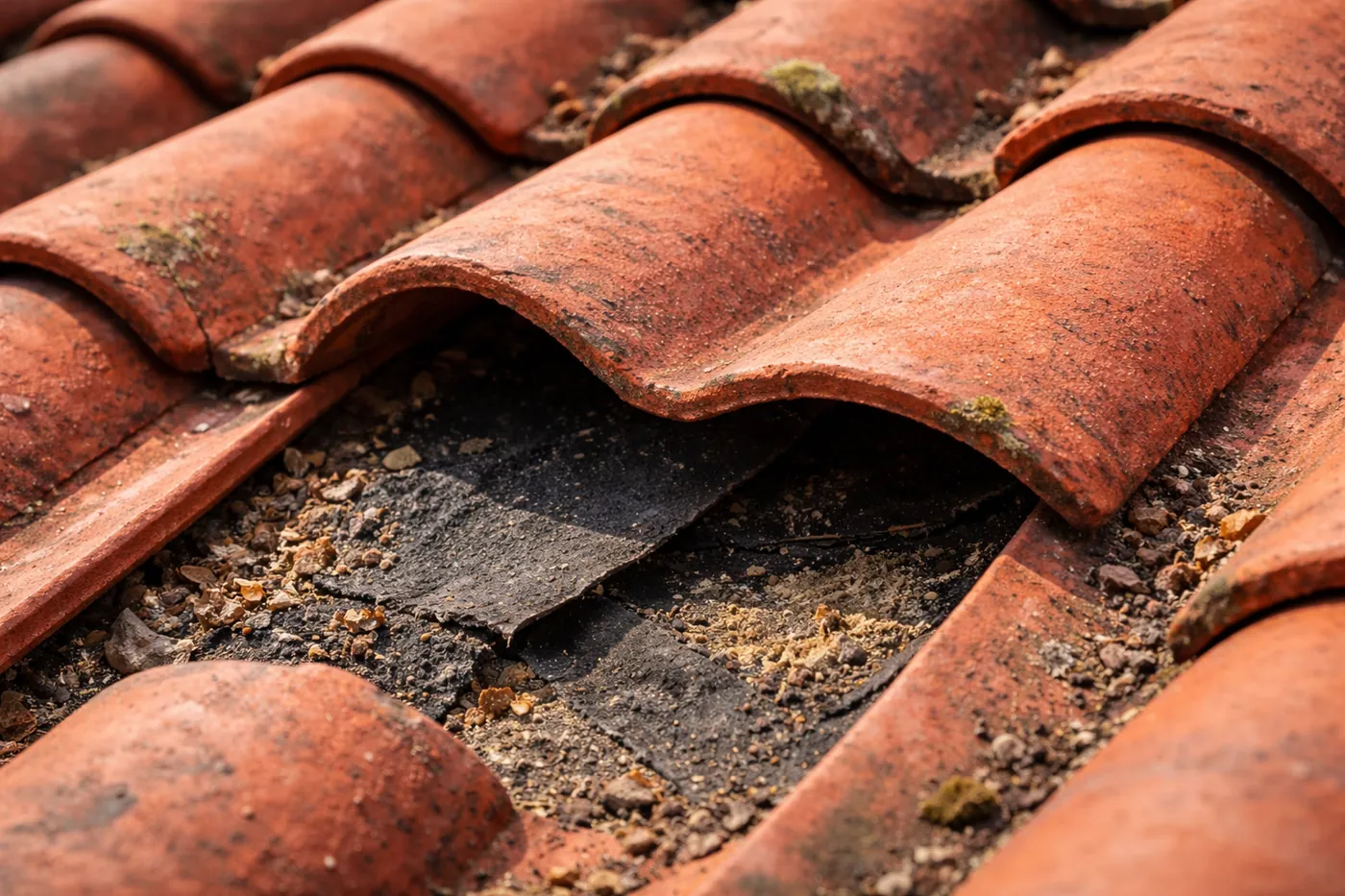
Tiles are designed to shed the majority of rainwater and protect what lies beneath from the sun. The actual waterproofing is done by a layer of asphalt-saturated felt (tar paper) called the underlayment, which sits between the tiles and the wooden roof deck. And unlike the tiles, this underlayment has a strict expiration date.
Don't Buy a Home With a Failing Roof
A beautiful exterior can hide a $20,000 roof repair. Ensure you know the exact condition of the underlayment before your contingency period ends.
For a thorough escrow home inspection, trust Coastal Shield's field-tested expertise.
Schedule Your InspectionSection 2: Why and When Does Underlayment Fail?
In areas like Goleta and Montecito, the relentless California sun bakes the roof. Even though the tiles block direct UV rays, the ambient heat literally cooks the asphalt out of the felt underlayment over the decades.
Here is what happens as the roof ages:
- Years 1-15: The underlayment is pliable and easily repels water that blows under the tiles during heavy coastal storms.
- Years 20-30: The felt loses its oils, shrinking and becoming extremely brittle. It feels like stale potato chips.
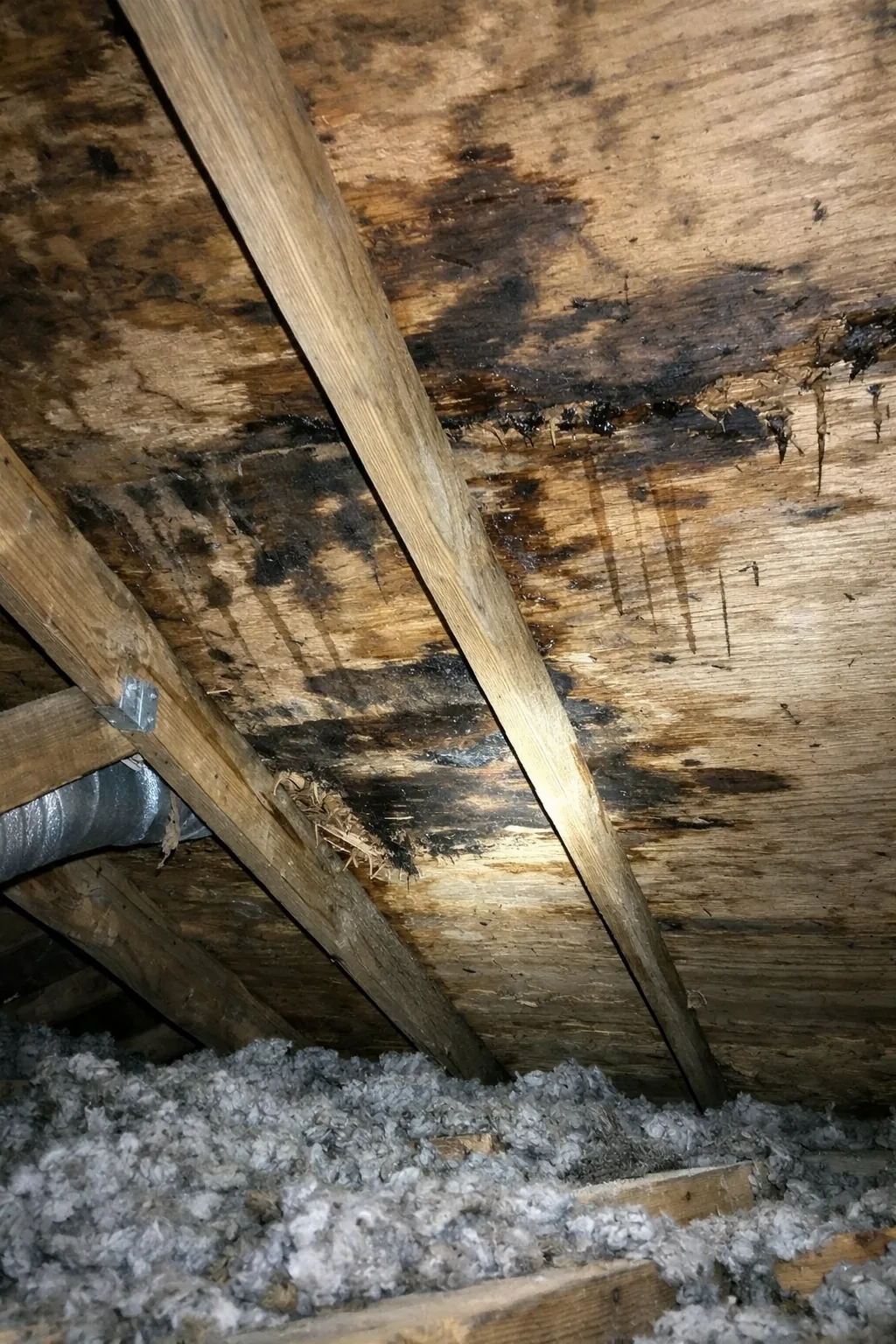
- Year 30+: The paper begins to crack and tear. Water that slips past the tiles now reaches the wood sheathing, leading to hidden rot, mold, and eventual interior leaks.
If you are buying a home built or re-roofed in the 1980s or 1990s, the underlayment is very likely at or past the end of its functional life.
Section 3: How We Inspect for Underlayment Issues
Because you can't easily see the underlayment from the street, this is one of the most critical reasons to hire a professional inspector. During a Santa Barbara home inspection and dedicated roof evaluation, we look for several key indicators:
- Attic Water Stains: We thoroughly inspect the underside of the roof sheathing in the attic for dark water stains, dry rot, or mold.
- Slipped or Broken Tiles: Missing tiles expose the underlayment directly to UV rays, accelerating its destruction in that spot.
- Eave Inspections: We check the edges of the roof (the eaves) where the felt is often visible. If it is crumbling or tearing away from the drip edge, the rest of the roof is likely in a similar state.
Section 4: The "Lift and Relay" Solution & Costs
If the underlayment has failed, patching it is rarely effective. Water will simply find the next brittle crack. The standard industry fix is a process called a "Lift and Relay."
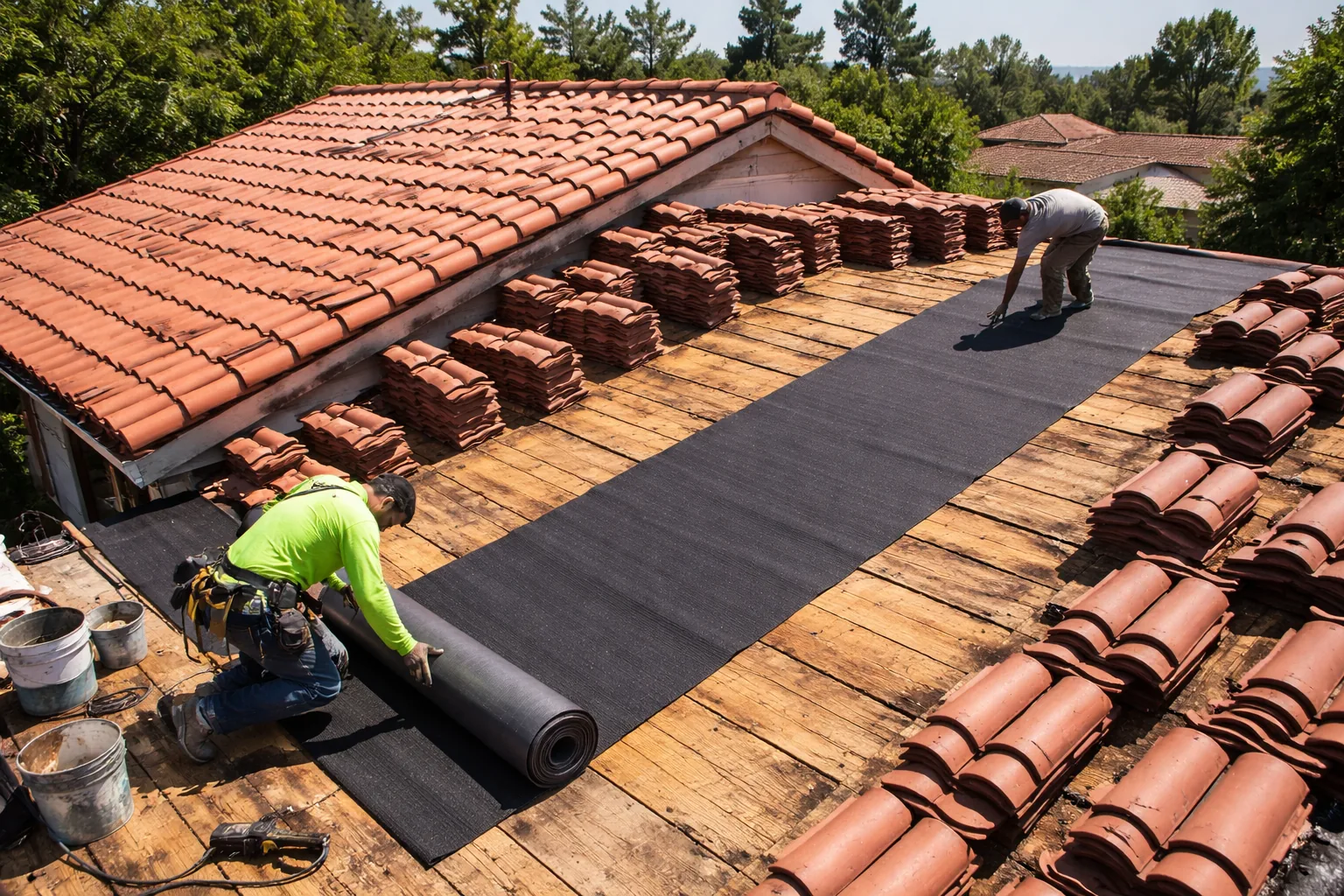
Roofing contractors will carefully remove the existing tiles and stack them on the roof. They strip off the old tar paper, repair any rotted wood decking, lay down a modern, high-quality waterproof membrane, and then relay your original tiles back into place.
Because it is highly labor-intensive, a lift and relay is a significant expense. In Santa Barbara County, this job typically ranges from $12,000 to over $25,000 depending on the size, pitch, and complexity of the roof. For a detailed breakdown of this and other major repair estimates, see our Santa Barbara Repair Cost Guide.
Discovering this during escrow allows you to negotiate credits or repairs with the seller, rather than absorbing a massive unexpected bill your first winter in the house.
Frequently Asked Questions
Your top questions about tile roofs and underlayment, answered.
How long does a tile roof actually last?
While the concrete or clay tiles themselves can last 50 to 100 years, the waterproof underlayment (tar paper) beneath them usually only lasts 20 to 30 years. Once the underlayment deteriorates, the roof will leak, even if the tiles look perfect.
What is a "lift and relay" roof repair?
A lift and relay involves carefully removing the existing concrete or clay tiles, stripping off the old, failed underlayment down to the wood deck, installing a new modern waterproofing membrane, and then relaying the original tiles back into place.
How much does a lift and relay cost in Santa Barbara?
Depending on the size and complexity of the roof, a lift and relay in Santa Barbara typically costs between $12,000 and $25,000+. It is one of the most expensive routine maintenance items for an aging home. See our Repair Cost Guide for more details.
Can you just patch the bad spots?
If the roof is over 25 years old and the felt is broadly brittle and cracking, patching one spot usually just pushes the water to the next weakest point. A full replacement of the underlayment is generally the only long-term solution.