

Inspecting Carpinteria's Coastal Homes
Carpinteria's homes live with the ocean — salt air, marine moisture, and a high coastal water table. Here is what a Carpinteria home inspection targets, and why.
By Louis O'Connor, Certified Master Inspector
Why Carpinteria Has Its Own Inspection Profile
Carpinteria is a beach town first and foremost. From the 1940s cottages around downtown to the beachfront estates on Padaro Lane and Sandyland Cove, nearly every home here sits within a short walk of the surf — and that proximity defines how these houses age.
The combination is specific: salt-laden marine air, a heavy summer marine layer, and a high coastal water table fed by the nearby salt marsh and sloughs. None of those forces are dramatic on any single day, but together they work on a house relentlessly, year after year. The result is that Carpinteria homes tend to wear out in predictable, coastal ways.
A Carpinteria home inspection, then, isn't a generic checklist — it's a targeted look at the components this climate and this location are known to attack.
1. Salt-Air Corrosion
Salt is the single most aggressive force on a Carpinteria home. Marine air carries it onto and into every exterior surface, and anything metal pays the price faster than it would inland:
- HVAC condensers. Outdoor air-conditioning units corrode at the coil and cabinet — coastal units often need replacement years ahead of schedule.
- Electrical panels. Salt works into panel cabinets and onto bus bars and breakers, causing rust and poor connections. A focused electrical panel inspection catches corrosion before it becomes a hazard.
- Roof flashings and exterior hardware. Metal flashings, fasteners, garage door tracks, and railings rust early, which can open up leak paths.
We scrutinize every metal component on a coastal inspection — corrosion that looks cosmetic is often the first sign of a system reaching the end of its service life.
2. Marine-Layer Moisture & the High Water Table
Carpinteria's other constant is water — not from storms, but from the air and the ground. The summer marine layer keeps humidity high, and the coastal water table sits close to the surface, especially near the beach, the salt marsh, and the sloughs. That drives two recurring problems:
- Sub-area standing water and damp crawlspaces. A high water table pushes moisture up into crawlspaces, leading to wood rot, corrosion, and the conditions mold needs to grow.
- Stucco moisture intrusion. Constant damp air and wind-driven marine moisture work into stucco cracks and around windows on weather-facing walls.
We use thermal imaging to map hidden moisture in crawlspaces and walls, and we offer certified mold testing when we find biological growth — see our guide on when to test for mold for the warning signs.

3. Deck & Balcony Waterproofing
Carpinteria homes are built to enjoy the ocean, which means decks, balconies, and elevated walkways are everywhere — and constant marine moisture is hard on all of them. Waterproof deck coatings and flashings break down over time, and once water gets past them it attacks the framing and ledger connections underneath.
This isn't just a maintenance issue — a deteriorated deck or balcony connection is a genuine safety concern. We inspect deck surfaces, coatings, flashings, and attachment points closely on every coastal property.
4. Aging Beach Cottages: Plumbing & Sewer
The older homes near downtown Carpinteria carry their own legacy systems. Cottages from the 1940s through the 1960s frequently still have:
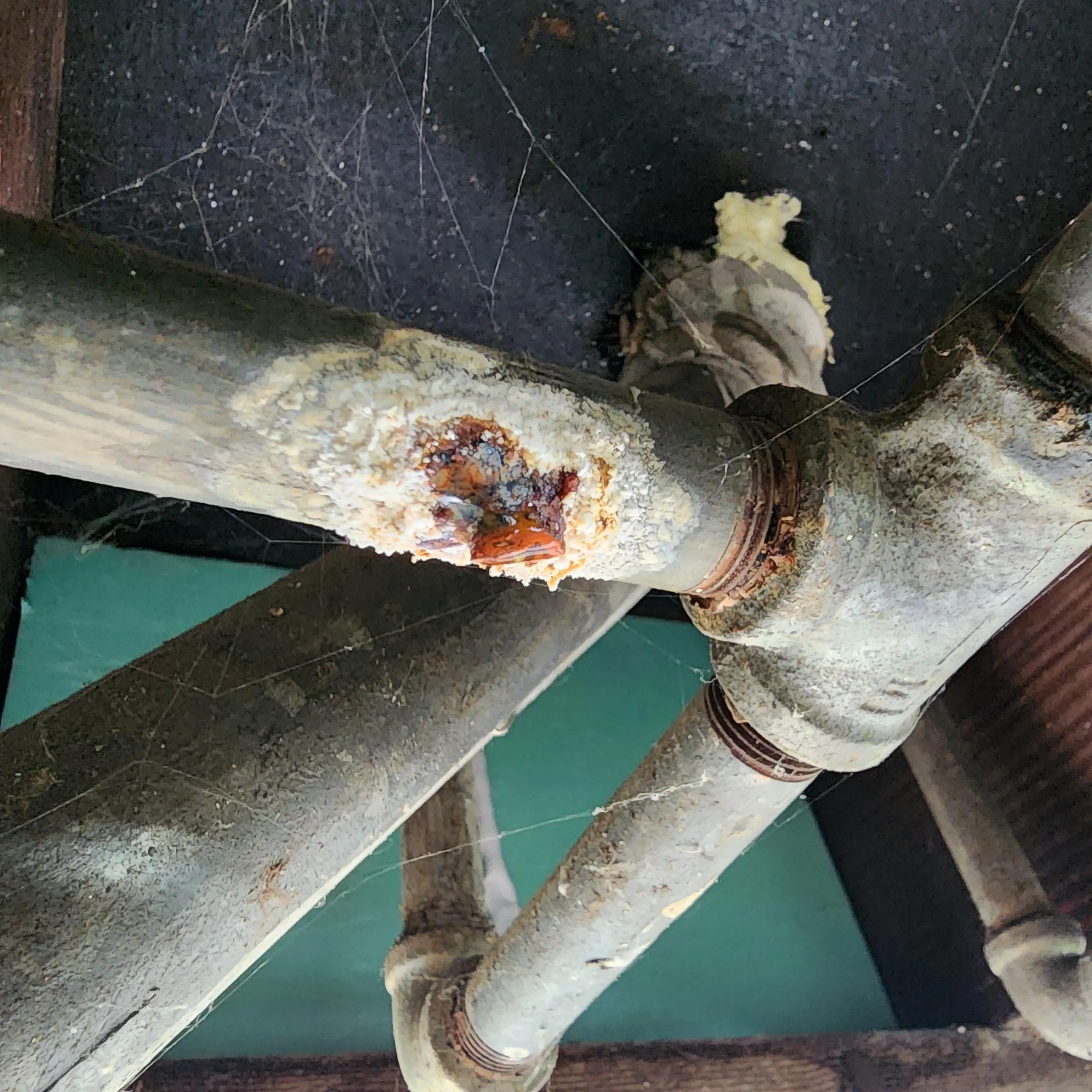
- Galvanized steel water supply lines. Galvanized pipe corrodes from the inside out, choking water pressure and eventually leaking inside walls. Our galvanized water pipe guide covers the warning signs.
- Original clay sewer laterals. The line carrying waste to the city main is usually original clay on an older Carpinteria home — vulnerable to root intrusion and to cracking as coastal soil shifts.
Because both are hidden, we recommend pairing a Carpinteria inspection with a dedicated plumbing inspection and a sewer scope — the camera scope is the only way to actually see the condition of that clay lateral before you own it.
5. Roofs in a Coastal Climate
Carpinteria roofs face the same salt and moisture as everything else. On homes with Spanish tile, the tiles themselves can last a century — but the waterproof underlayment beneath them typically fails at 25–30 years, so most original underlayment has now failed at least once. Metal flashings corrode early in the salt air, opening leak paths around chimneys, valleys, and roof penetrations.
Our roof inspection evaluates the actual condition of the roofing system, and our guide to tile roof underlayment explains the hidden failure that catches coastal buyers off guard.
What This Means for a Carpinteria Buyer
None of this should scare you off a Carpinteria home — it remains one of the most desirable beach towns on the South Coast. The point is simply that a coastal home is a known quantity: an experienced local inspector knows exactly which salt- and moisture-driven components to put under the microscope.
A thorough inspection turns those findings into leverage. A corroded panel, a damp crawlspace, a failing deck coating, or a root-choked sewer lateral is something you can take to the seller for a credit or repair — see our Santa Barbara repair cost guide for ballpark figures. The goal is a Carpinteria purchase with no expensive surprises after you get the keys.
Frequently Asked Questions
Common questions about home inspections in Carpinteria, answered.
What are the most common problems found in Carpinteria homes?
Carpinteria's beachside location drives a recurring set of issues: salt-air corrosion on HVAC condensers, electrical panels, and metal flashings; marine-layer moisture and stucco intrusion; standing water in crawlspaces from the high coastal water table; failing deck and balcony waterproofing; and aging galvanized plumbing and clay sewer lines in older beach cottages. A Carpinteria home inspection targets each of these directly.
Why is salt air such a problem for Carpinteria homes?
Carpinteria sits directly on the coast, so homes are bathed in salt-laden marine air year-round. Salt accelerates corrosion on anything metal — air-conditioning condenser coils, electrical panel components, roof flashings, garage doors, and exterior fasteners. Components that might last decades inland often wear out far sooner on a Carpinteria property, which is why a coastal inspection scrutinizes them closely.
Does my Carpinteria home need a sewer scope?
For any older Carpinteria home — especially the downtown beach cottages — we strongly recommend it. These properties typically have original clay sewer laterals that are vulnerable to root intrusion and to cracking as coastal soil shifts. A sewer scope is the only way to see a hidden blockage, crack, or collapse before you buy.
Should I worry about moisture in a Carpinteria crawlspace?
Yes. Carpinteria's high coastal water table and proximity to the salt marsh and sloughs mean sub-area standing water and damp crawlspaces are common. Persistent moisture leads to wood rot, corrosion, and mold growth. Our inspection includes thermal-imaging moisture mapping of the crawlspace, with certified mold testing available if we find biological growth.