
Inspecting Goleta's Mid-Century Tract Homes
Goleta was built fast, in one era — which means its homes tend to fail in the same predictable ways. Here is what a Goleta home inspection targets, and why.
By Louis O'Connor, Certified Master Inspector
Why Goleta Has Its Own Inspection Profile
Most of Goleta — “The Good Land” — was built in a single, concentrated wave. As UCSB expanded through the 1960s and 1970s, tract neighborhoods went up quickly to house the growth: the Kellogg tract, Winchester Canyon, the streets of Old Town, and the coastal pockets near Ellwood.
That history is the single most useful thing to know before you buy a Goleta home. When a whole city's housing stock is built in the same decade, by similar builders, with the same materials, those homes also reach the end of their service life together. The galvanized pipe, the clay sewer line, the electrical panel, and the roof in a 1968 Kellogg-tract home are all now 50-plus years old at the same time.
A Goleta home inspection, then, isn't a generic checklist — it's a targeted look at the specific components this era and this climate are known to wear out.
1. Original Plumbing: Galvanized Supply & Clay Sewer
Two plumbing systems define the mid-century Goleta home, and both are usually original:
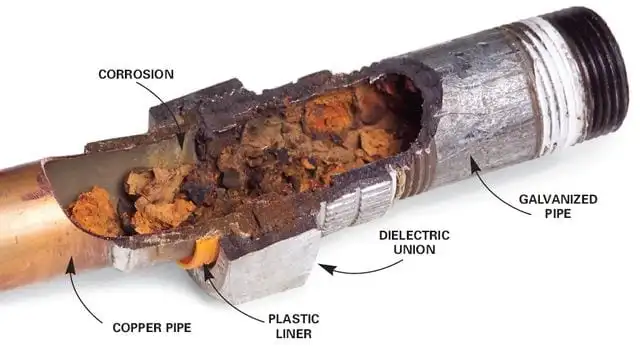
- Galvanized steel water supply lines. Standard in this era, galvanized pipe corrodes from the inside out — choking water pressure and eventually leaking inside walls. Our galvanized water pipe guide covers the warning signs in detail.
- Clay sewer laterals. The pipe carrying waste from the house to the city main is almost always original clay on a pre-1980s Goleta home. Goleta's mature street trees send roots straight into the joints, causing blockages and collapses.
Because both are hidden, we recommend pairing a Goleta inspection with a dedicated plumbing inspection and a sewer scope — the camera scope is the only way to actually see the condition of that clay lateral before you own it.
2. Outdated & Uninsurable Electrical Panels
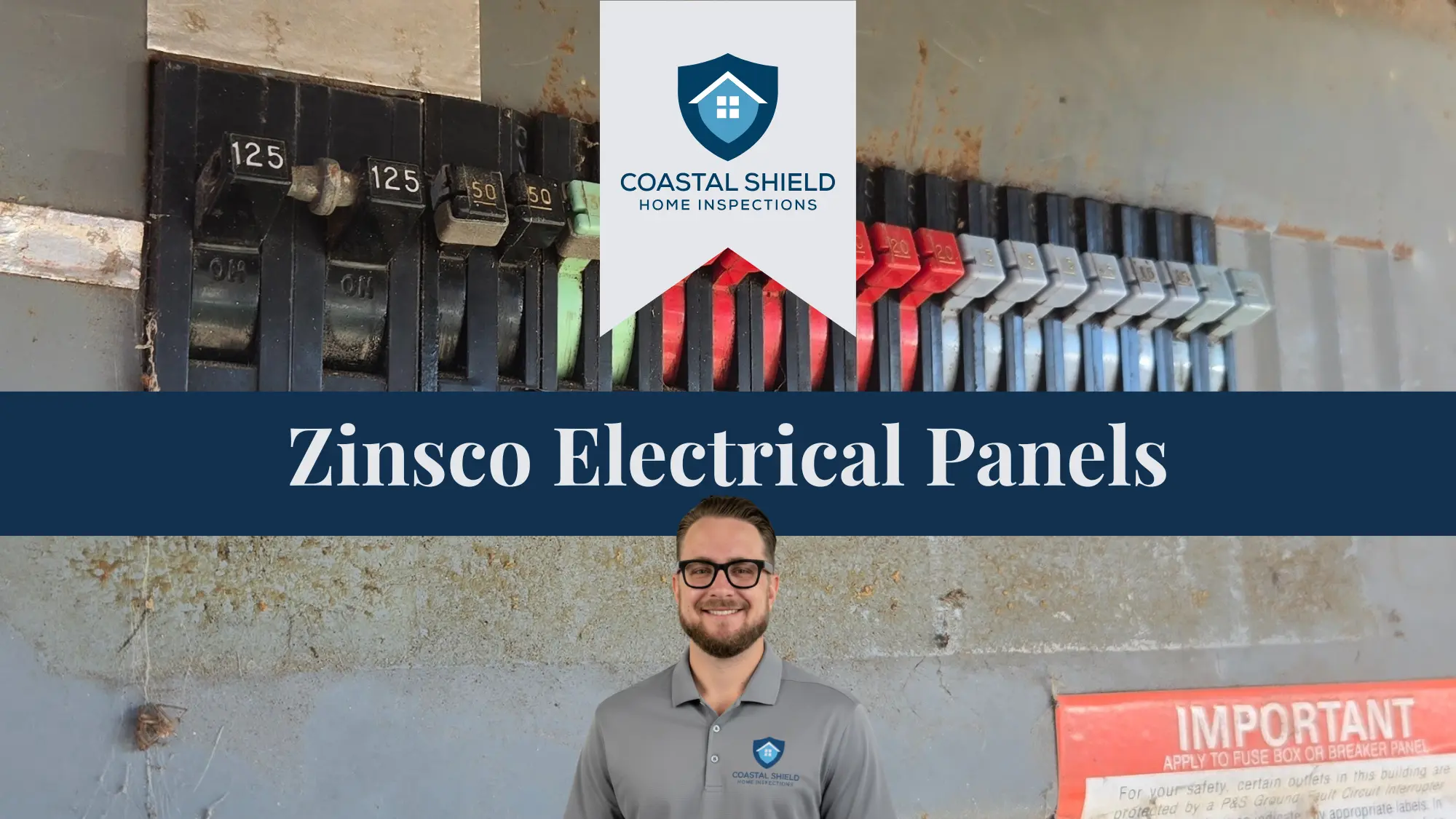
Goleta's 1960s-70s tracts are prime territory for the two electrical panels every California buyer should worry about: Zinsco and Federal Pacific Stab-Lok. Both have a documented history of breakers that fail to trip — a genuine fire risk — and California insurers now routinely refuse to cover a home until the panel is replaced.
We also see undersized service (60–100 amp panels straining under modern appliance and EV-charging loads) and aluminum branch wiring from the mid-1960s. A focused electrical panel inspection confirms exactly what is in the home — see our Zinsco panel guide for why this matters so much in escrow.
3. Aging Roofs & Tile Underlayment
Roofs on mid-century Goleta homes are frequently at or past replacement age. On homes with Spanish tile, the tiles themselves can last a century — but the waterproof underlayment beneath them typically fails at 25–30 years, which means most original underlayment has now failed at least once. Low-slope and asphalt-shingle roofs common to the tracts have their own end-of-life wear.
Our roof inspection evaluates the actual condition of the roofing system, and our guide to tile roof underlayment explains the hidden failure that catches Goleta buyers off guard.
4. The Coastal Factor
Goleta's position on the open coast adds a layer that inland inspections don't deal with. Neighborhoods near Ellwood and the bluffs sit in the marine layer, which drives:
- Salt-air corrosion on outdoor HVAC condensers, metal roof flashings, and exterior hardware.
- Stucco moisture intrusion and window-leak staining on weather-facing walls.
- Deck and balcony waterproofing failures, accelerated by constant damp air.
These are standard focus areas on every Goleta inspection — the same issues that lead our list of the top home issues across the area.
What This Means for a Goleta Buyer
None of this should scare you off a Goleta home — these neighborhoods are some of the best places to live on the South Coast. The point is simply that a Goleta tract home is a known quantity: an experienced local inspector knows exactly which 50-year-old components to put under the microscope.
A thorough inspection turns those findings into leverage. A documented failing panel, a root-choked sewer lateral, or dead roof underlayment is something you can take to the seller for a credit or repair — see our Santa Barbara repair cost guide for ballpark figures. The goal is a Goleta purchase with no expensive surprises after you get the keys.
Frequently Asked Questions
Common questions about home inspections in Goleta, answered.
What are the most common problems found in Goleta homes?
Because so much of Goleta was built in the same 1960s-70s window, the same issues recur: corroded galvanized water supply lines, original clay sewer laterals with root intrusion, outdated electrical panels such as Zinsco and Federal Pacific, aging roofs and tile underlayment, and coastal-moisture wear on the building envelope. A Goleta home inspection targets each of these directly.
Does my Goleta tract home need a sewer scope?
For a Goleta home built before the 1980s, we strongly recommend it. These homes almost always have original clay sewer laterals, which are highly vulnerable to root intrusion from Goleta's mature street trees. A sewer scope is the only way to see a hidden blockage, crack, or collapse before you buy.
How old is a typical Goleta home?
Much of Goleta's housing stock was built during the rapid expansion around UCSB in the 1960s and 1970s — tracts like Kellogg, Winchester Canyon, and the neighborhoods of Old Town. That means most homes are now 50-plus years old and at the age where original plumbing, electrical, and roofing components reach the end of their service life together.
Should I get an electrical panel inspection on a Goleta home?
It is worth it for any mid-century Goleta tract home. We still regularly find hazardous Zinsco and Federal Pacific panels in these neighborhoods, and California insurers increasingly refuse to cover them. A focused electrical panel inspection confirms the panel brand and condition before it can derail your escrow or your insurance.