
Inspecting Montecito's Luxury & Hillside Estates
Montecito's homes are large, complex, and built into the hillside — which means they need an inspector who can read estate-scale systems. Here is what a Montecito home inspection targets, and why.
By Louis O'Connor, Certified Master Inspector
Why Montecito Has Its Own Inspection Profile
Montecito is unlike anywhere else on the South Coast. Its homes range from century-old historic estates in the Upper Village to hillside moderns tucked into Mission Canyon and the foothills — and almost all of them are large, system-heavy properties set on sloped, landscaped lots.
That changes what an inspection has to be. A Montecito estate isn't a single straightforward house — it's a collection of building systems spread across a complex site: multi-tiered foundations, retaining walls, long utility runs, multiple HVAC zones, and grounds full of mature oaks. Each of those is a potential point of failure, and a basic checklist simply doesn't reach them.
A Montecito home inspection, then, isn't a generic walkthrough — it's a targeted, trade-level look at the specific components this terrain and this class of property are known to wear out.
1. Hillside Foundations & Slope Stability
Most Montecito homes sit on sloped terrain, and the foundation is the most expensive thing on the property to get wrong. On a hillside lot we look for:
- Slope creep and settlement. The slow downhill movement of soil shows up as cracking, sticking doors, and out-of-level floors.
- Retaining wall movement. Leaning, bowing, or cracked retaining walls signal soil pressure the wall can no longer hold.
- Multi-tiered foundation systems. Terraced estates often have several connected foundation levels — each needs to be evaluated, not just the main slab.
A standard flat-lot foundation check misses all of this. Where we find significant movement, we'll recommend a follow-up review by a structural or geotechnical engineer so you go into escrow with the full picture.
2. Drainage & Lot Grading
On a Montecito hillside, water management is property protection. Poor drainage is the root cause behind a large share of foundation and retaining-wall problems — and Montecito's foothill setting makes it especially important to know where water goes during a heavy rain.
We evaluate lot grading, surface drainage, downspout discharge, area drains, and culverts to confirm water is being carried away from the structure rather than pooling against foundations or saturating a slope. On estate properties this often means tracing drainage across a large, terraced site — exactly the kind of detail a quick inspection skips.
3. Legacy Plumbing on Sprawling Grounds
Montecito's older estates frequently still run on their original plumbing, and the scale of the property makes those systems harder to assess:
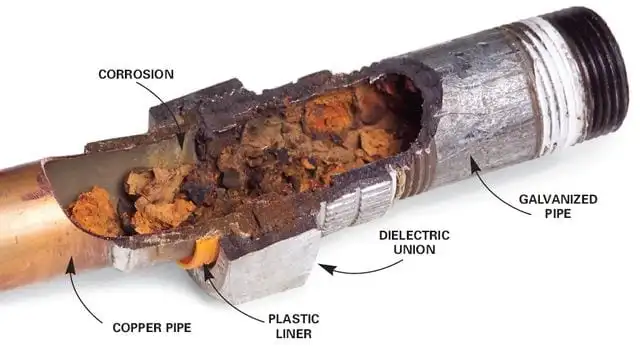
- Galvanized steel water supply lines. Galvanized pipe corrodes from the inside out, choking water pressure and eventually leaking inside walls. Our galvanized water pipe guide covers the warning signs.
- Long clay sewer laterals. Estate sewer runs from the house to the street are lengthy and usually original clay — and Montecito's mature oaks send roots straight into the joints.
Because both are hidden, we recommend pairing a Montecito inspection with a dedicated plumbing inspection and a sewer scope — a camera scope is the only way to see the condition of a long buried lateral before you own it, and a repair on an estate run is far more costly than on a typical lot.
4. Spanish Tile Roofs & Dead Underlayment
Spanish and clay tile roofs are part of Montecito's architectural signature — and they hide a predictable failure. The tiles themselves can last a century, but the waterproof underlayment beneath them typically fails at 25–30 years. The result is a roof that looks pristine from the street while water quietly works its way into the structure.
On a large estate roof, that hidden failure can be expensive and slow to detect. Our roof inspection evaluates the actual condition of the roofing system, and our guide to tile roof underlayment explains the exact failure that catches Montecito buyers off guard.
5. Estate-Scale Systems
The final thing that sets a Montecito inspection apart is sheer scale. A large estate carries far more building systems than an average home, and every one is a potential surprise:
- Multiple HVAC zones serving wings or floors independently — each needs to be evaluated on its own.
- Extensive electrical systems, sometimes with sub-panels, generators, and heavy landscape and pool loads. A focused electrical panel inspection confirms the service is sound.
- Pools, spas, and irrigation spread across the grounds.
- Private wells or septic systems on larger, less-developed parcels.
A Montecito estate inspection simply takes longer — and it takes an inspector with the trade background to interpret complex, large-scale systems rather than work from a basic checklist.
What This Means for a Montecito Buyer
None of this should scare you off a Montecito home — these are some of the finest properties in California. The point is that a Montecito estate is a complex purchase, and it deserves an inspection matched to that complexity: hillside-aware, system-by-system, and unhurried.
A thorough inspection turns findings into leverage. A moving retaining wall, a drainage defect, a root-choked estate sewer line, or dead roof underlayment is something you can take to the seller for a credit or repair — see our Santa Barbara repair cost guide for ballpark figures. The goal is a Montecito purchase with no expensive surprises after you get the keys.
Frequently Asked Questions
Common questions about home inspections in Montecito, answered.
What should a Montecito home inspection focus on?
A Montecito home inspection has to account for hillside terrain, estate-scale systems, and a wide range of build eras. The recurring focus areas are slope stability and retaining walls, lot drainage and grading, legacy galvanized plumbing and long clay sewer runs, Spanish tile roofs with aging underlayment, and the multiple HVAC, electrical, and water systems that large estates carry. A Montecito home inspection targets each of these directly.
Do hillside Montecito homes need a special foundation evaluation?
Yes. Many Montecito homes sit on sloped lots with multi-tiered foundations and retaining walls. We look for signs of slope creep, settlement, retaining-wall movement, and drainage problems that can lead to high-cost structural repairs. Hillside properties demand far more than a flat-lot foundation check, and significant findings may warrant a follow-up review by a structural or geotechnical engineer.
Does my Montecito estate need a sewer scope?
For most Montecito properties, we strongly recommend it. Estates have long sewer runs from the house to the street, often original clay pipe, surrounded by mature oaks whose roots intrude at the joints. A sewer scope is the only way to actually see the condition of that buried line — and a repair on a long estate lateral is far more expensive than on a typical lot.
How are large luxury estates inspected differently?
A large Montecito estate carries far more building systems than an average home — multiple HVAC zones, extensive electrical, pools and spas, irrigation, and sometimes a private well or septic system. Each is a potential point of failure, so an estate inspection takes longer and requires an inspector with the trade background to evaluate complex, large-scale systems rather than work from a basic checklist.
Related Reading
- Montecito Home Inspections — Service Overview
- Galvanized Water Pipes in Santa Barbara
- The Hidden Danger of Tile Roof Underlayment
- Do You Really Need a Sewer Scope in Escrow?
- Top 7 Issues in Santa Barbara Homes
- Santa Barbara Landslide & Debris-Flow Risk (Hillside Inspection Guide)
- Santa Barbara Home Hazards Guide (Hub)