Why Drone, and Why Now
A drone isn't a gimmick — it's a different vantage point. Three reasons it matters for a Santa Barbara roof:
Safer than walking the roof
Spanish tile is brittle and slips underfoot. A wet roof is dangerous. A two-story hillside roof in Montecito or the Riviera is asking for an accident. The drone goes where it's risky to walk.
Sees what a ladder can't
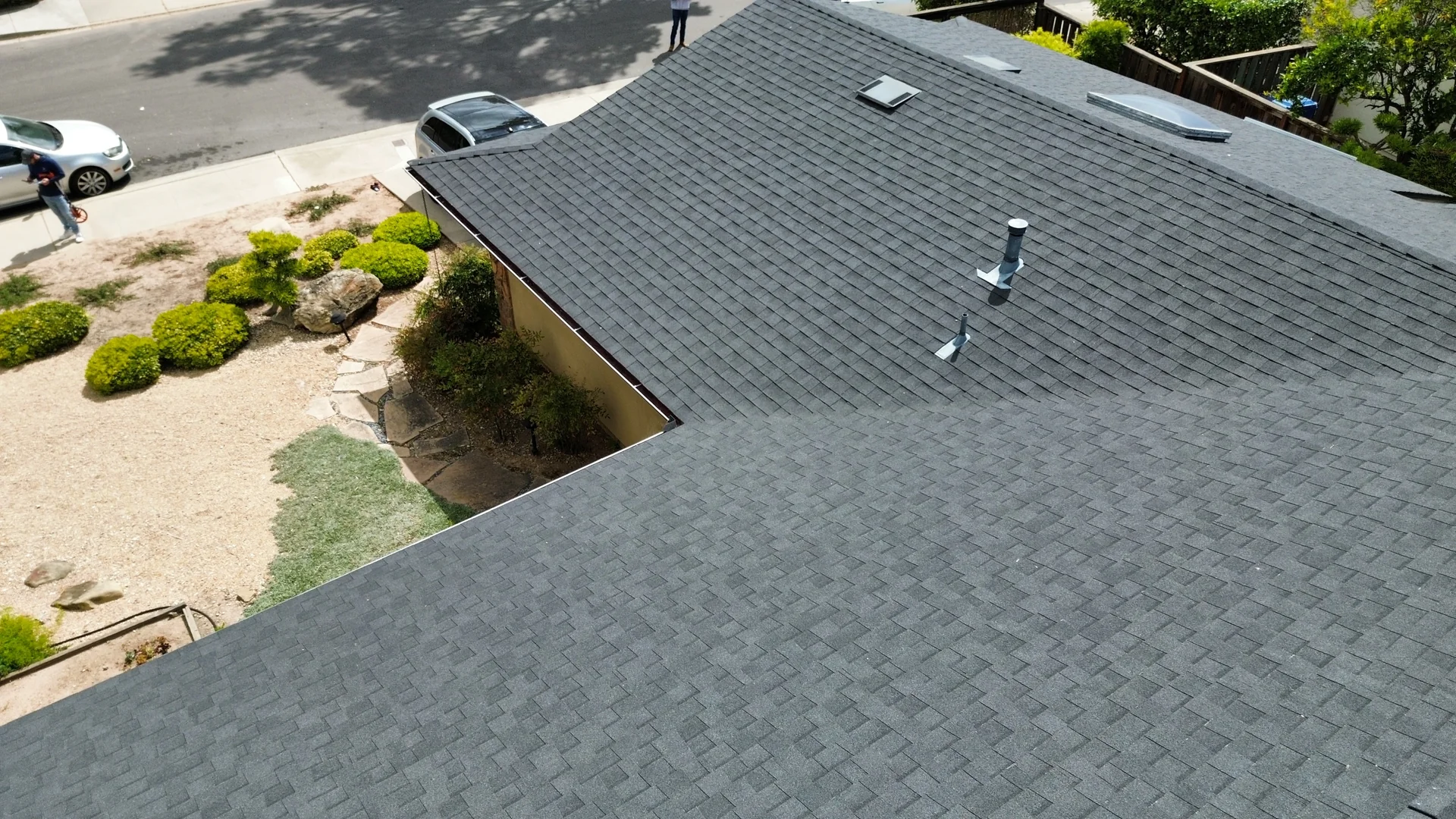
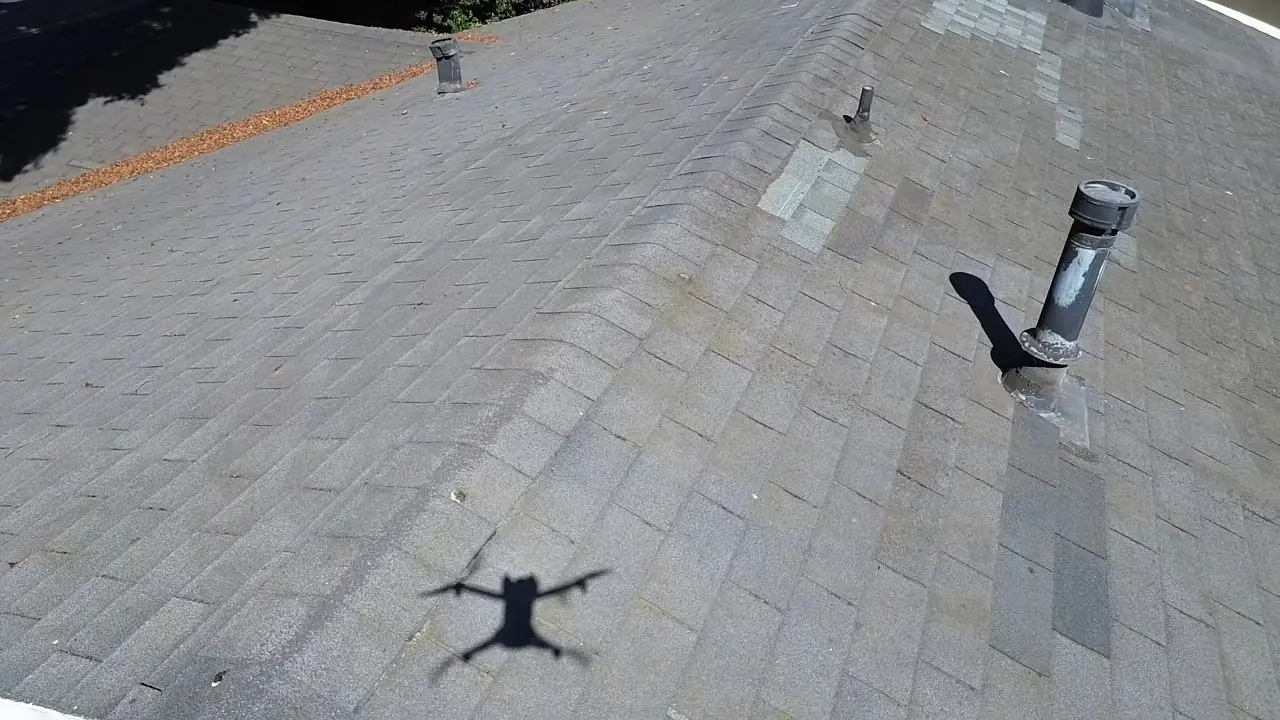
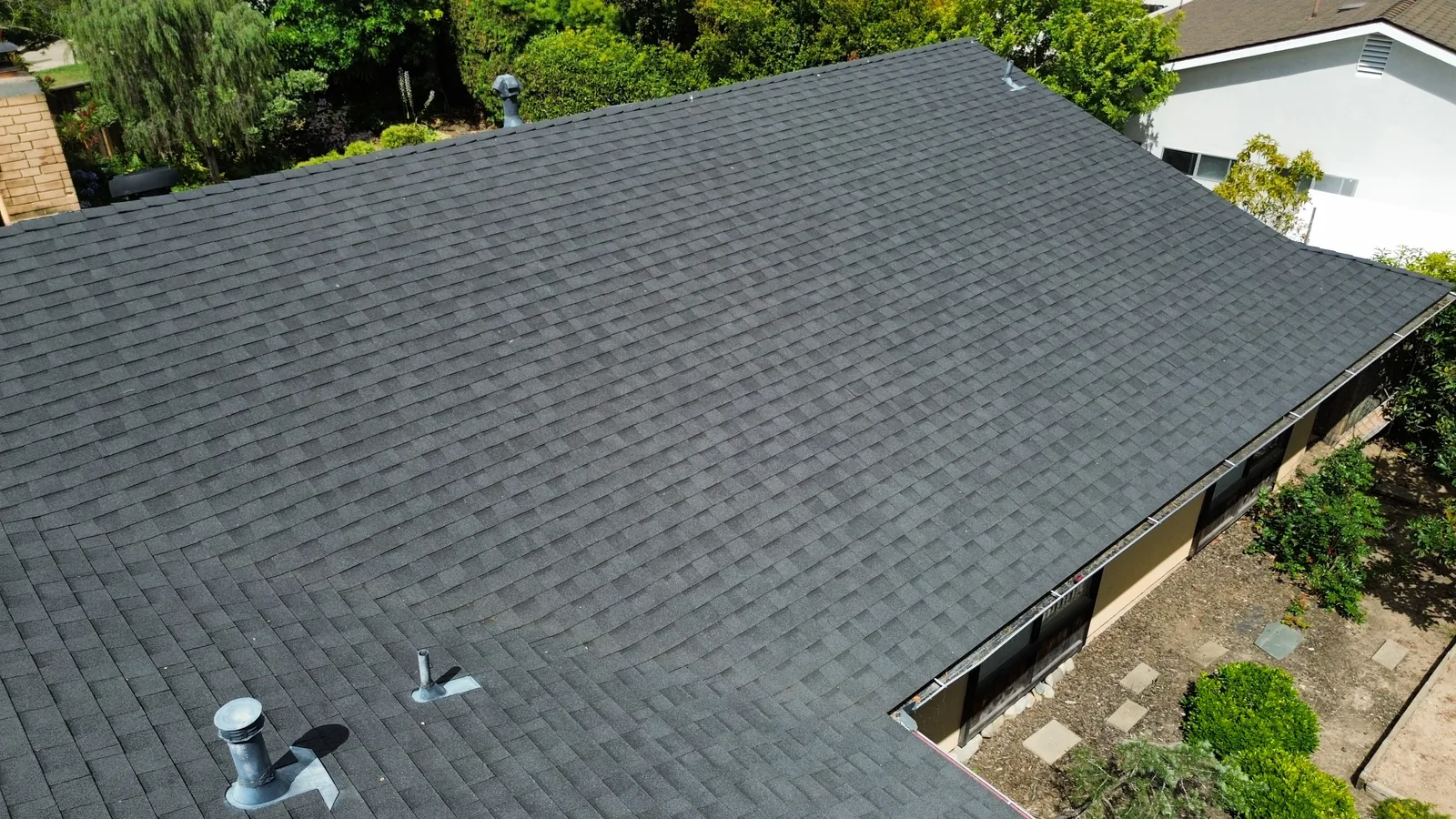
From a ladder at the eave you literally cannot see the centers of large roof planes or down into valleys from above. Aerial imagery captures the whole roof system — flashings, ridges, vent boots, chimney saddles — straight down rather than at an angle.
Photo evidence insurers want
Dated, high-resolution photos of every roof plane are exactly what California carriers ask for when they tie coverage to roof condition. Drone images drop into your report severity-tagged and ready to share with a 4-point or insurance carrier.
What We Document From the Air
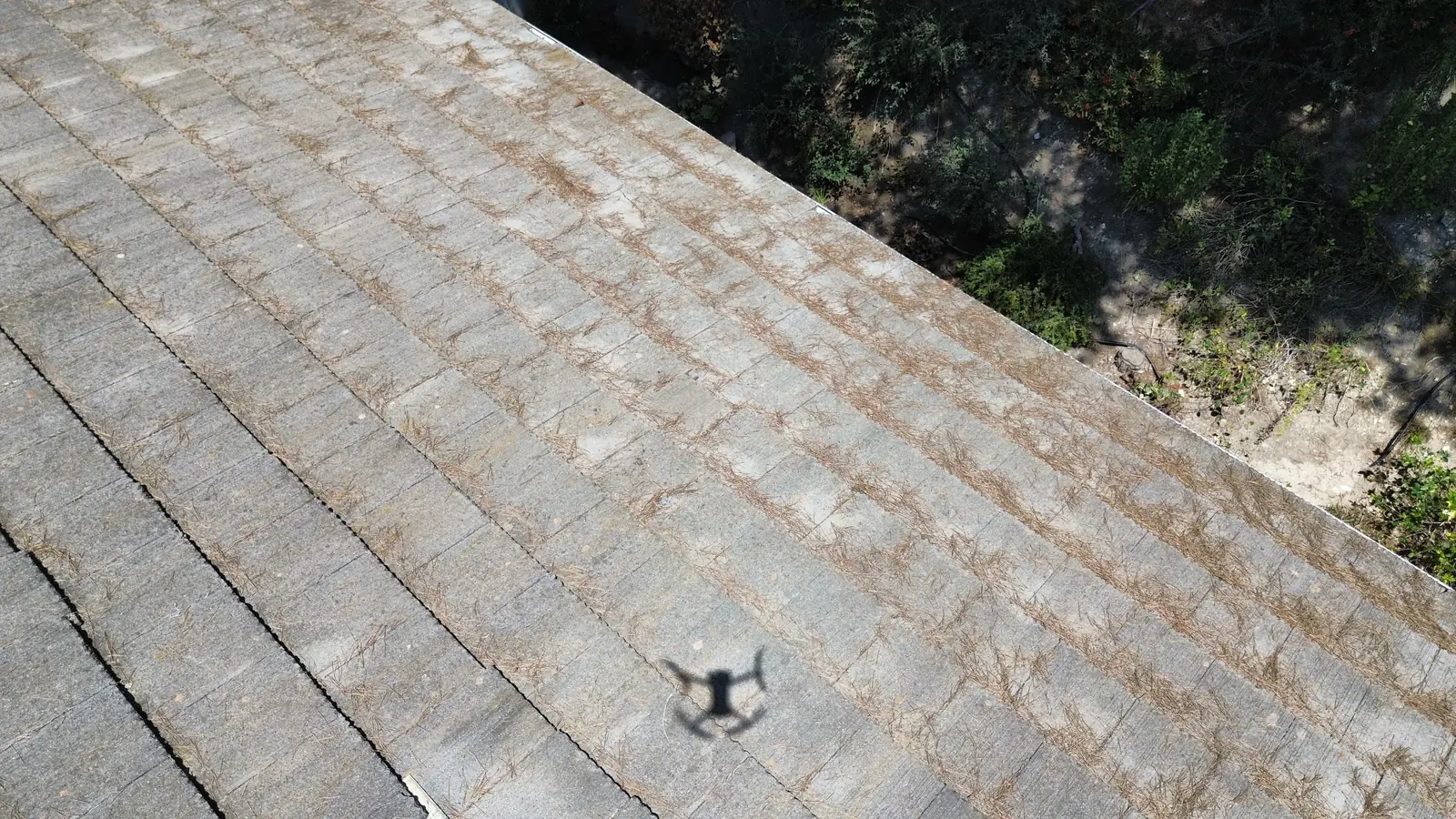
A look at real aerial captures from Santa Barbara roof inspections — the kind of imagery that lands in your same-day report.
When Drone Matters Most
Not every roof needs a drone. These are the ones that almost always do:
- Spanish tile roofs. Walking tile breaks it. From above we read the tile field, hip and ridge caps, and the exposed underlayment edges that signal a coming underlayment failure — without setting foot on the tiles.
- Steep slopes and hillside homes. Mission Canyon, Montecito, the Riviera, the Goleta foothills. Anything pitched steeper than a 6:12 or perched over a drop-off gets the drone.
- Wet, fragile, or storm-damaged roofs. If walking it could make things worse — or hurt the inspector — the drone goes up instead.
- Pre-listing inspections. Sellers benefit from a complete aerial record before listing — aerials make the listing photography stronger and give buyers fewer reasons to push back.
- Insurance and wildfire-zone documentation. Carriers and the FAIR Plan increasingly want photo proof of roof condition and Class A material. Drone images make that documentation airtight — especially for homes in wildfire-prone foothills.
- Tall or sprawling roofs. Estates, multi-section roofs, and two-story commercial roofs that would take an hour to walk are captured in ten minutes from above.
How the Drone Fits Your Inspection
Aerial documentation is included on our full home inspections and our dedicated roof inspections whenever the roof type or conditions call for it — there's no separate charge for using the safer, more thorough tool. A standalone aerial roof assessment without the rest of an inspection is available by quote, and is a smart pre-listing move or post-storm documentation step. Every aerial image is severity-tagged and lands in the same same-day, photo-rich digital report as the rest of the findings — so your agent, your buyer, or your insurance carrier can act on it the same afternoon.
Drone operations comply with FAA rules and are paused for rain, fog, or Sundowner-strength wind. In those conditions we either reschedule the aerial portion or walk the roof if it's safe — the point is the documentation, not the device.
Frequently Asked Questions
What buyers, sellers, and agents most often ask about aerial roof documentation.
Do you use a drone on every roof inspection?
Is the drone an add-on or included?
What can a drone see that a ladder can't?
Are drone photos accepted by insurers?
When is a ladder pass better than a drone?
Can the drone fly in any weather?
Related Reading & Services
Book a Santa Barbara Roof or Home Inspection
Aerial drone documentation included where it makes sense. Same-day photo-rich reports. 15-year journeyman plumber and licensed California contractor doing the work.